
Experience becomes infrastructure
The website, portal and product experience increasingly share one design and content system.

VERSA / FIELD NOTES
Website redesign services explained: what a redesign includes, realistic UK cost factors, project timings and how to protect search visibility.
READ THE FIELD NOTE
WHAT WE ARE WATCHING
The website, portal and product experience increasingly share one design and content system.

Value comes from bounded tasks, context and human escalation—not a floating chat box.

The useful dashboard explains what changed and what should happen next.
THE NOTEBOOK / 19

Bespoke software vs off-the-shelf explained: compare advantages, disadvantages, costs and examples to decide which approach fits your business.

Understand what drives website design cost in the UK, from discovery and content to bespoke development, integrations, testing and support after launch.

Website maintenance services explained: security updates, backups, monitoring, performance checks, content support and a tested response when problems occur.
Web design and SEO work best together. Learn how site architecture, content, performance and launch decisions create an SEO-friendly website from day one.

Compare web design packages by scope, ownership, content, ecommerce, support and hidden limits so the lowest headline price does not become the highest cost.

Compare AI website builders with custom web design across speed, cost, ownership, search, integrations and what happens when the business outgrows the tool.

Compare a full website redesign with incremental improvement, including risk, cost, search migration and the signals that show which scope your site needs.
Learn how SEO-friendly service page design combines search intent, clear structure, evidence, useful detail and calls to action without writing for algorithms.
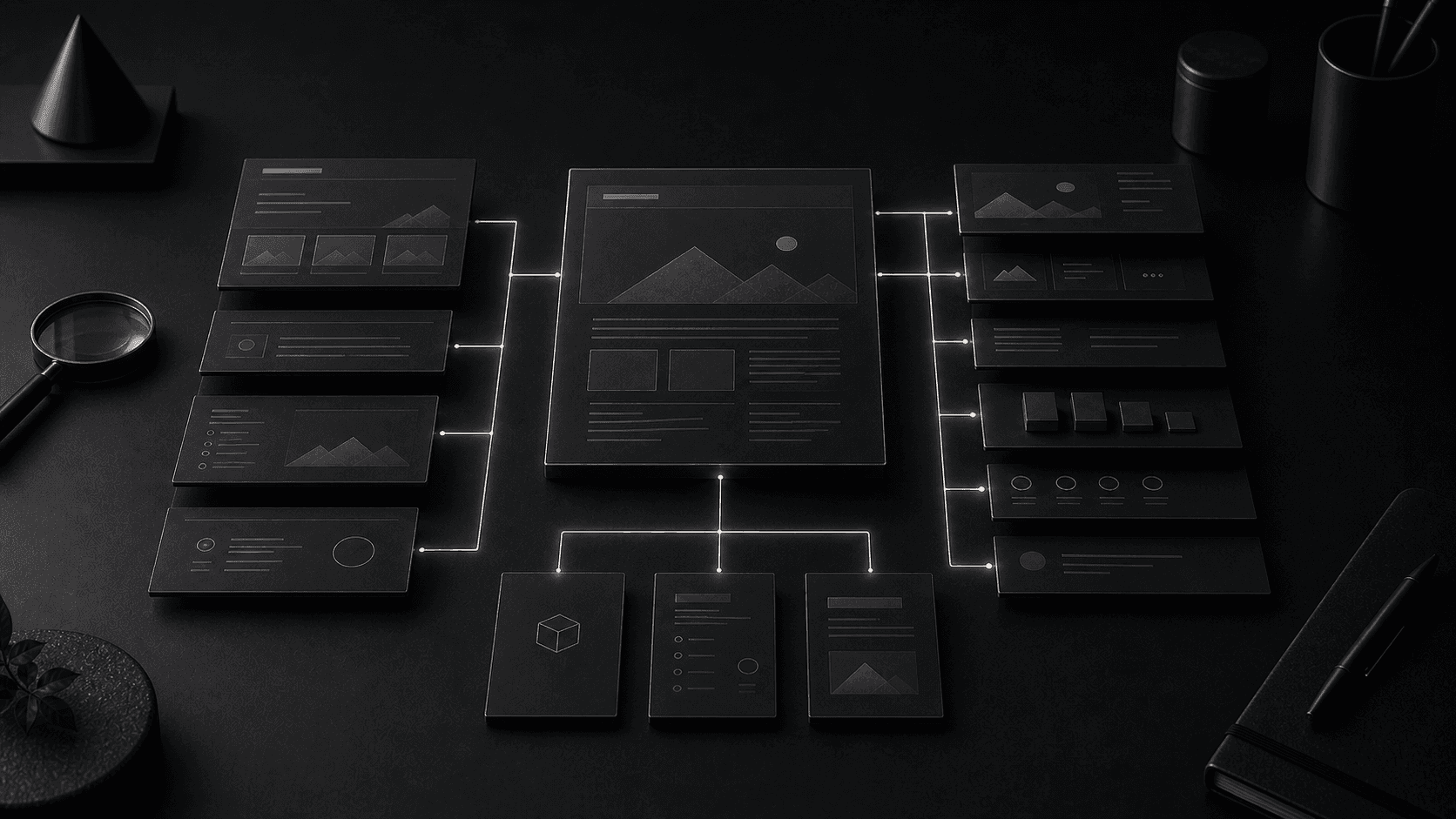
Plan SEO-friendly website content with clear topic ownership, useful page relationships and internal links that help people and search engines navigate.

Website maintenance cost in the UK depends on platform risk, update frequency, monitoring, content support and response commitments. Compare quotes clearly.
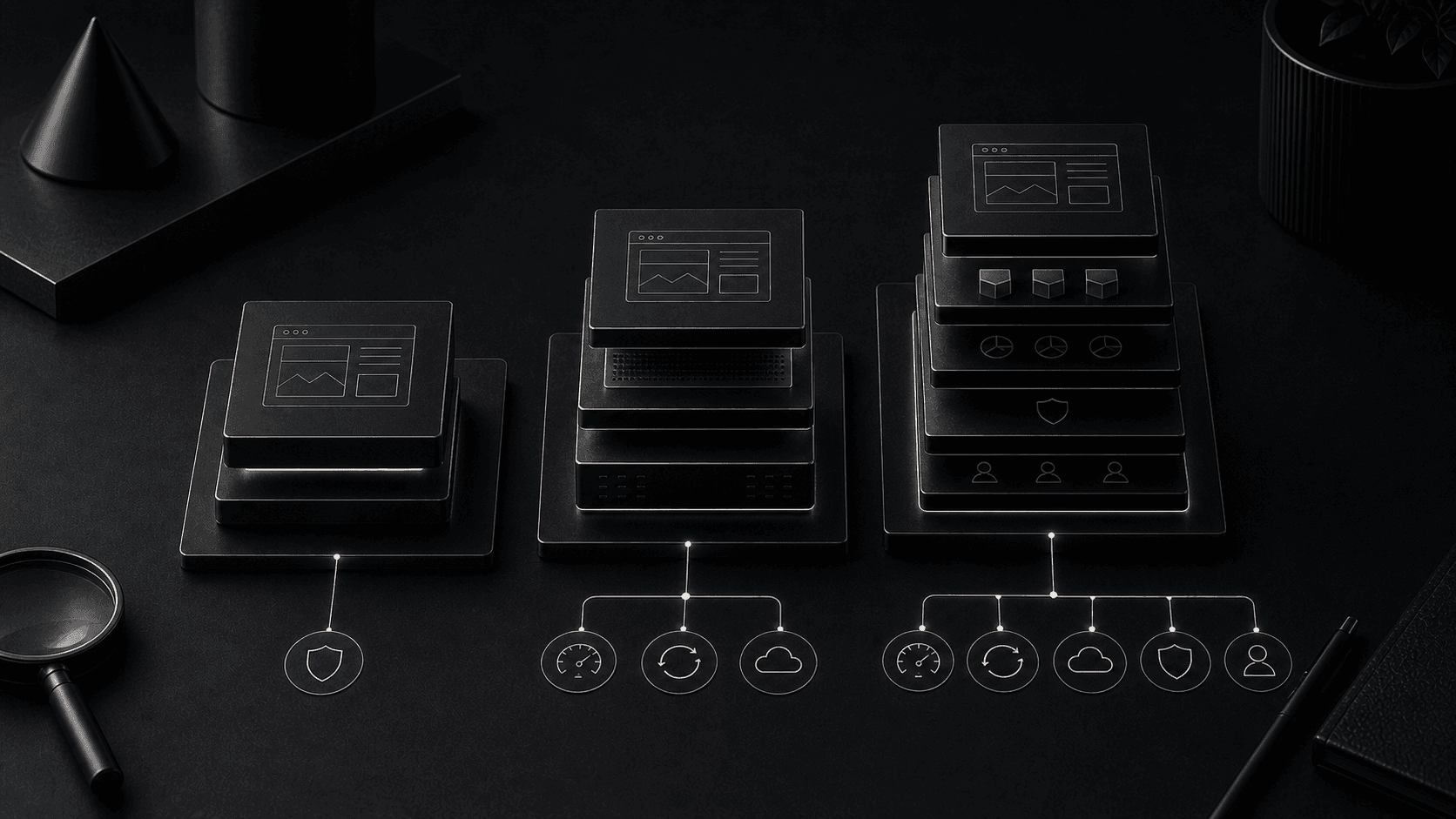
Compare website maintenance plans by updates, backups, monitoring, content help, performance checks, response times and the work explicitly excluded.

Use this website maintenance checklist to review security, backups, performance, forms, analytics, content accuracy, accessibility and recovery readiness.

Structured data helps search engines interpret business websites. Learn which schema types matter, where they belong and how to implement them accurately.
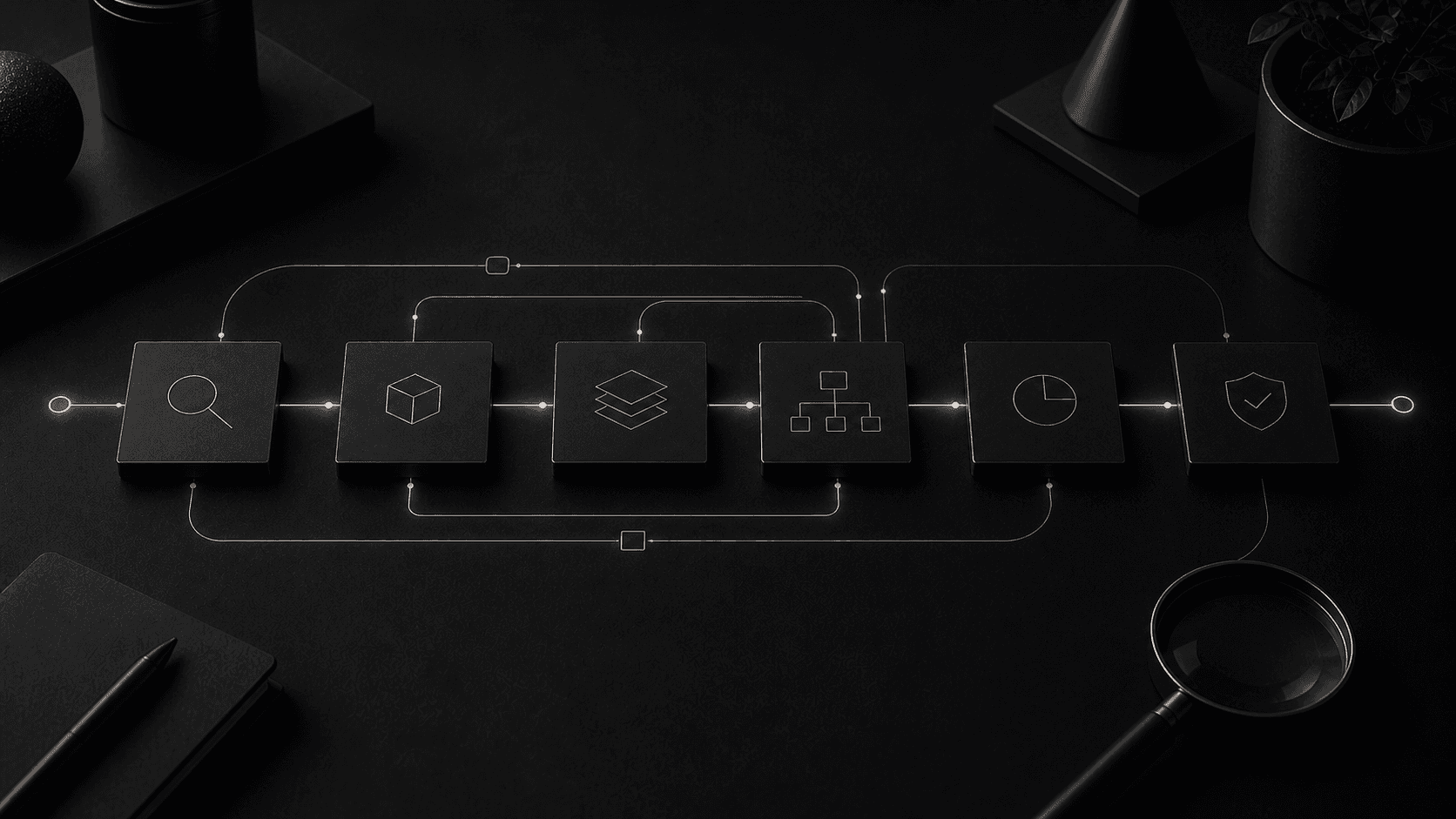
Follow the bespoke software development process from workflow discovery and prototyping through integration, testing, release, adoption and improvement.
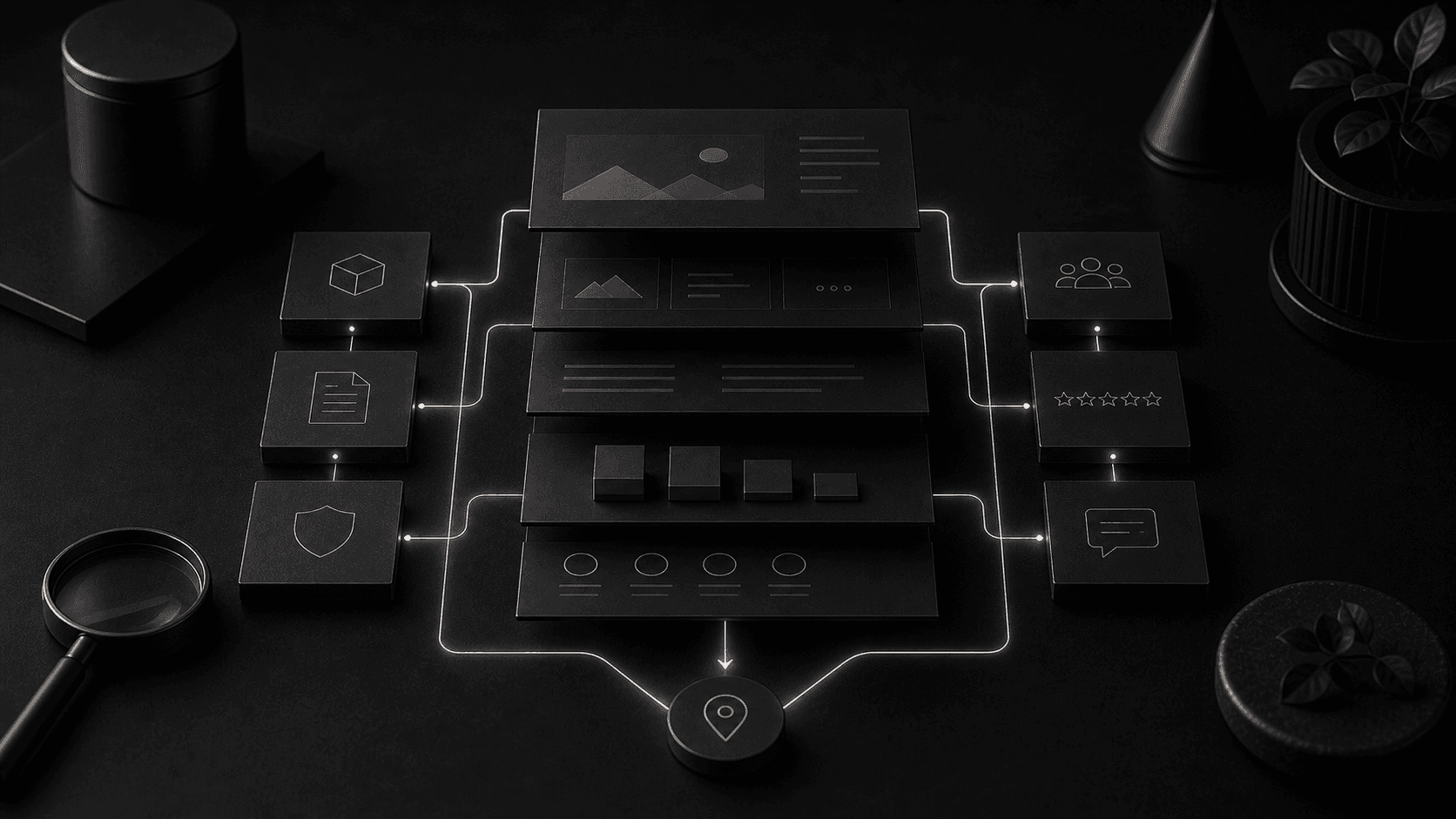
Website design for small businesses in the UK should prioritise a clear offer, credible proof, focused journeys, search foundations and manageable ownership.

Compare client portal software with a bespoke build across workflows, permissions, integrations, adoption, ownership and the cost of long-term constraints.
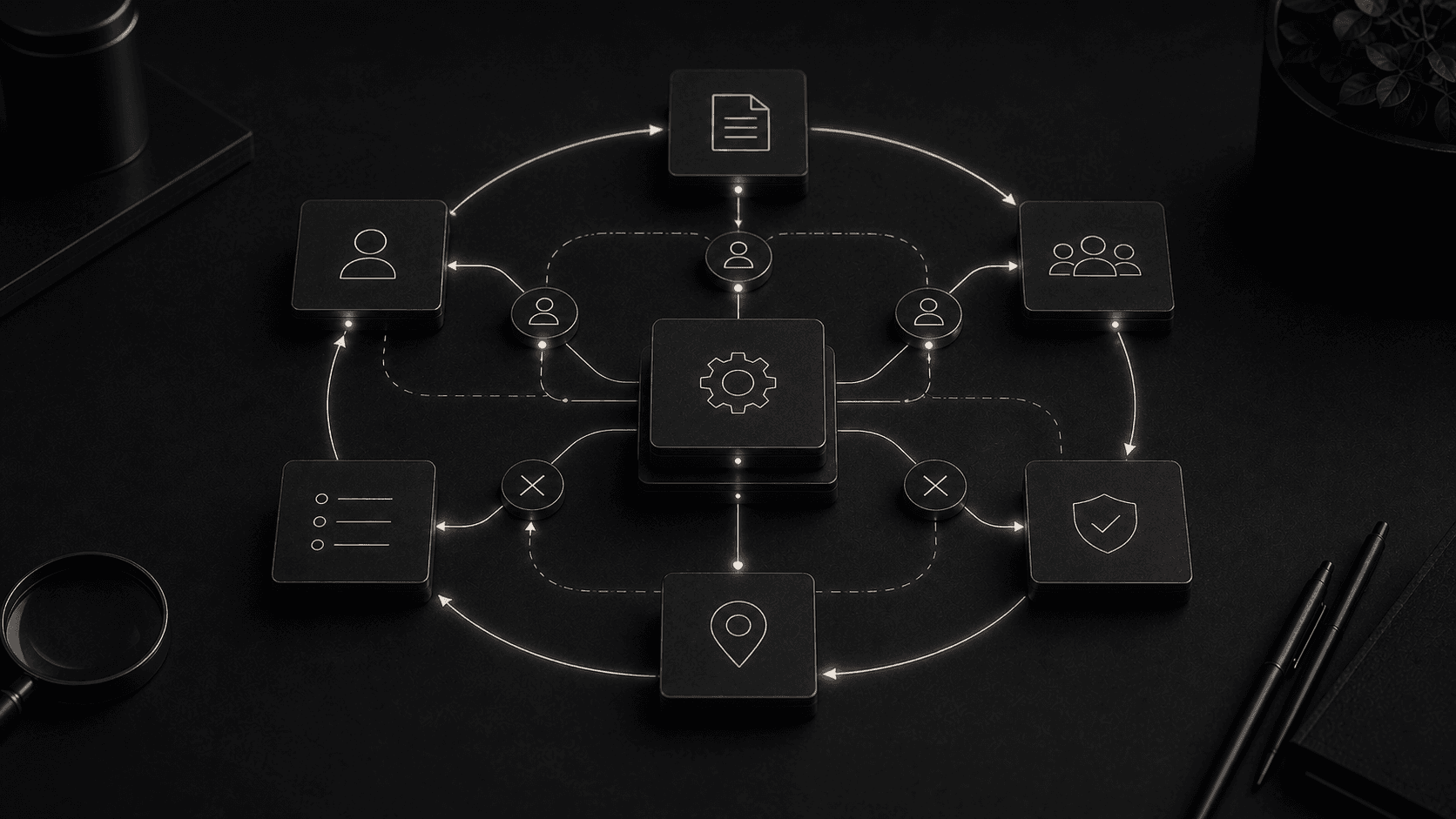
Business process automation works when the process is understood first. Learn what to automate, where projects fail and how to retain useful human control.

Explore business process automation examples for enquiries, onboarding, approvals, reporting and service delivery, with the risks each workflow carries.
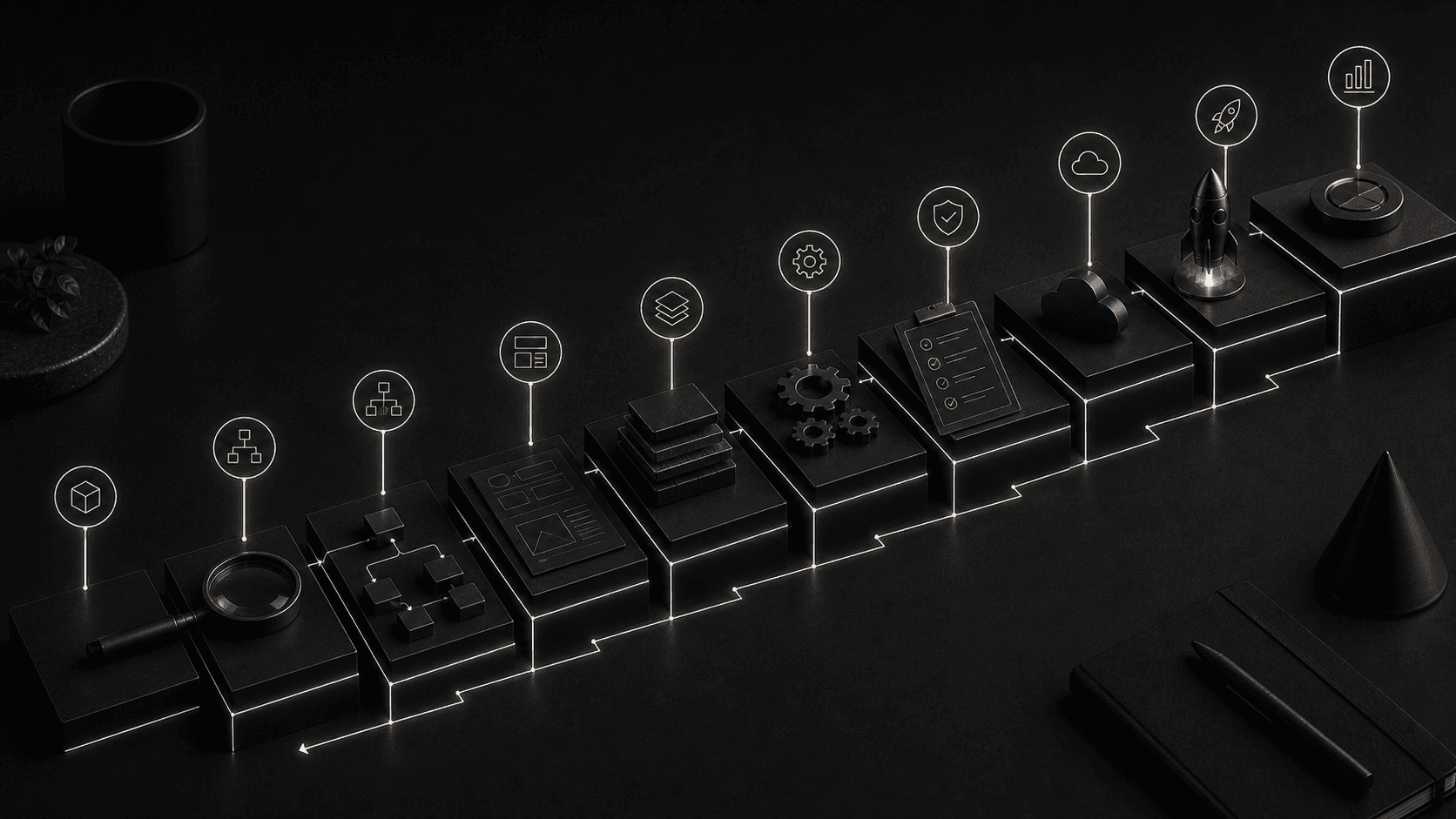
The website development process explained: discovery, content, architecture, design, engineering, testing, migration, launch and measured improvement.