Useful business process automation examples start with a boundary

Explore business process automation examples for enquiries, onboarding, approvals, reporting and service delivery, with the risks each workflow carries.
Useful business process automation examples start with a boundary
Enquiry capture and qualification
Client onboarding and document collection
Concrete automation examples showing where rules, hand-offs and human escalation need to be designed together.
Evidence types combined: observation, system data, interviews, documents and real cases.
Agreed process owner accountable for turning the audit into an operating change.
“Concrete automation examples showing where rules, hand-offs and human escalation need to be designed together.”Business Process Automation Examples field note
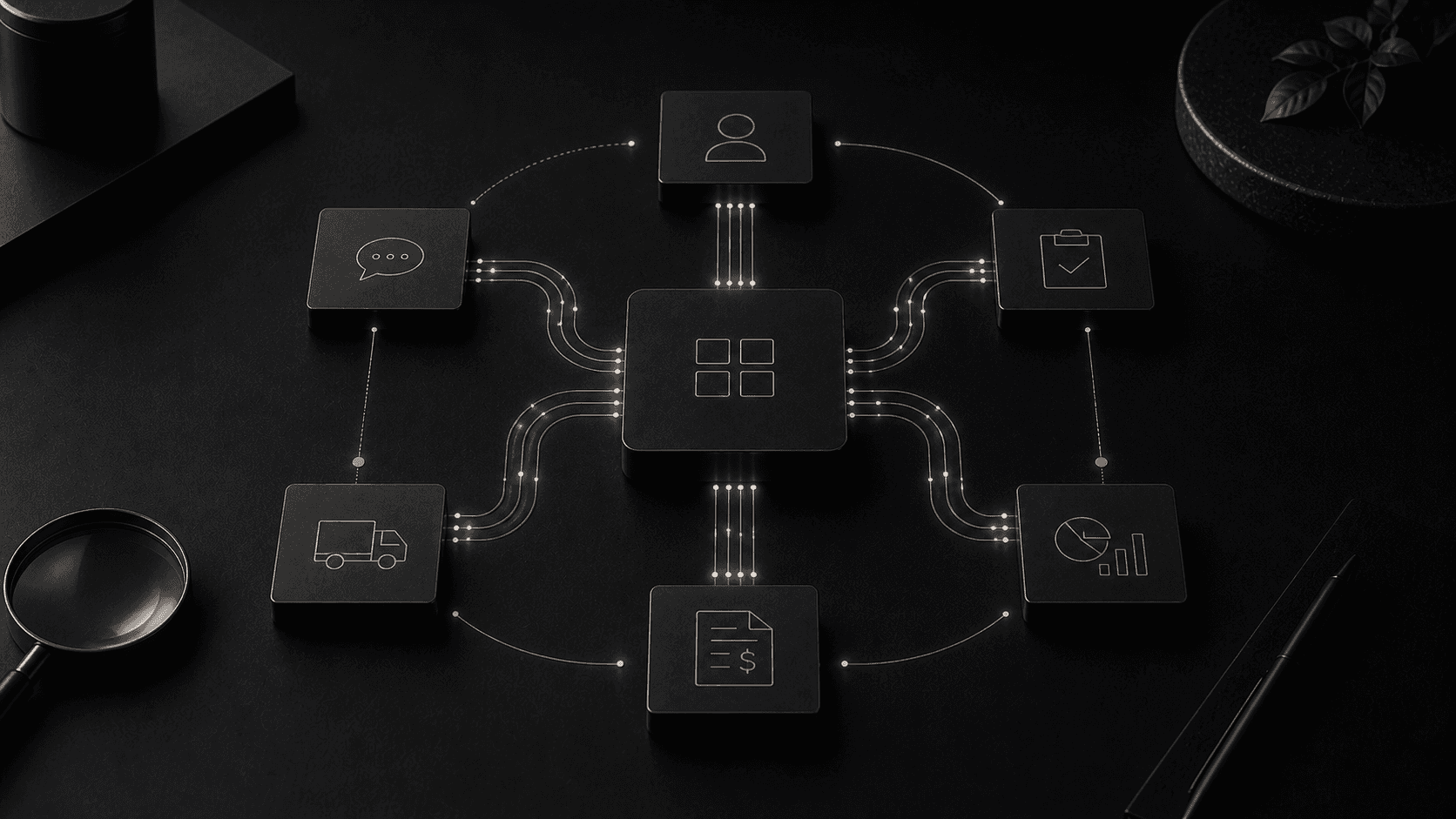
Business process automation examples are useful only when they show the boundary between a repeatable step and a decision that still needs judgement. In a service business, good candidates include enquiry routing, document collection, onboarding reminders, approval flows, status updates and recurring reports. Each depends on clean inputs, defined ownership and an exception route. Copying visible automation without those conditions usually moves the bottleneck rather than removing it.
Record the current workflow boundary, the person accountable and the evidence that will demonstrate the automation result. This turns a general intention into an operating decision. It also makes later review more useful because the team can distinguish an isolated exception from a repeated condition that needs a change to the process, content or system. The record can remain concise, but it should be consistent enough for another responsible person to understand what was decided and why.
Record the current workflow boundary, the person accountable and the evidence that will demonstrate the automation result. This turns a general intention into an operating decision. It also makes later review more useful because the team can distinguish an isolated exception from a repeated condition that needs a change to the process, content or system. The record can remain concise, but it should be consistent enough for another responsible person to understand what was decided and why.
A website form can validate required information, enrich a record, create a CRM opportunity and route it according to service, value or location. The automation should acknowledge the enquiry and tell the responsible person what happens next. It should not reject unusual opportunities merely because they do not fit a rigid form. Provide an exception queue and record why a lead was routed so the rules can be reviewed.
Record the current workflow boundary, the person accountable and the evidence that will demonstrate the automation result. This turns a general intention into an operating decision. It also makes later review more useful because the team can distinguish an isolated exception from a repeated condition that needs a change to the process, content or system. The record can remain concise, but it should be consistent enough for another responsible person to understand what was decided and why.
After a project is approved, automation can create the workspace, request standard documents, assign tasks and send reminders when an item remains outstanding. A shared status prevents staff asking the client for material already supplied. The workflow still needs an owner who can change dates, accept alternative evidence and intervene when the client needs help rather than another automated message.
Record the current workflow boundary, the person accountable and the evidence that will demonstrate the automation result. This turns a general intention into an operating decision. It also makes later review more useful because the team can distinguish an isolated exception from a repeated condition that needs a change to the process, content or system. The record can remain concise, but it should be consistent enough for another responsible person to understand what was decided and why.
A quote workflow can assemble approved service items, apply pricing rules, request internal approval and issue a version for signature. Every change should create a traceable version so the agreed scope remains clear. High-value discounts or unusual terms can escalate to a person, while routine cases move without manual copying. The system should prioritise control and auditability over sending documents a few seconds faster.
Record the current workflow boundary, the person accountable and the evidence that will demonstrate the automation result. This turns a general intention into an operating decision. It also makes later review more useful because the team can distinguish an isolated exception from a repeated condition that needs a change to the process, content or system. The record can remain concise, but it should be consistent enough for another responsible person to understand what was decided and why.
Operational events can update a customer portal, notify the next team and send a concise status message without staff writing the same email repeatedly. Only meaningful milestones should trigger communication; excessive updates create noise and reduce trust. The portal or message should explain delays honestly and provide a human contact when the case leaves its expected path. Client portal software can support this pattern.
Record the current workflow boundary, the person accountable and the evidence that will demonstrate the automation result. This turns a general intention into an operating decision. It also makes later review more useful because the team can distinguish an isolated exception from a repeated condition that needs a change to the process, content or system. The record can remain concise, but it should be consistent enough for another responsible person to understand what was decided and why.
Automation can collect approved time or delivery records, prepare invoice data, flag missing purchase orders and schedule reminders. Financial approval should remain with an accountable person when values or terms vary. Integrations need reconciliation so a failed transfer does not silently omit revenue or send a duplicate invoice. The most valuable change is often a reliable exception list rather than fully unattended billing.
Record the current workflow boundary, the person accountable and the evidence that will demonstrate the automation result. This turns a general intention into an operating decision. It also makes later review more useful because the team can distinguish an isolated exception from a repeated condition that needs a change to the process, content or system. The record can remain concise, but it should be consistent enough for another responsible person to understand what was decided and why.
A reporting workflow can gather data from defined sources, calculate agreed measures and distribute a consistent view before a review meeting. Decision-makers should see exceptions and changes, not only a polished dashboard. Automated alerts need thresholds and owners; otherwise normal variation creates notification fatigue. Preserve the underlying data and calculation definitions so the business can explain why a number changed.
Record the current workflow boundary, the person accountable and the evidence that will demonstrate the automation result. This turns a general intention into an operating decision. It also makes later review more useful because the team can distinguish an isolated exception from a repeated condition that needs a change to the process, content or system. The record can remain concise, but it should be consistent enough for another responsible person to understand what was decided and why.
Score candidate workflows by frequency, stability, manual effort, error cost, data quality and ease of measuring improvement. Begin with a bounded process whose owner is available and whose exceptions are understood. Document the baseline, then release to a controlled group and compare the result. The business process automation guide provides the wider decision framework, while Versatech's workflow service maps the work before selecting technology.
Record the current workflow boundary, the person accountable and the evidence that will demonstrate the automation result. This turns a general intention into an operating decision. It also makes later review more useful because the team can distinguish an isolated exception from a repeated condition that needs a change to the process, content or system. The record can remain concise, but it should be consistent enough for another responsible person to understand what was decided and why.
Planning a website or digital system?
Versatech brings senior strategy, design and engineering into one delivery team. The first conversation identifies the useful next step before scope is fixed.
START A PROJECTSEE SERVICESStart with a focused 30-minute discovery call and leave with a clearer route forward.